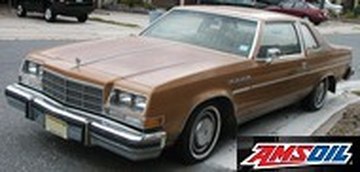
Engine Lubrication and Maintenance for the 1981 Buick ELECTRA 5.7L
Maintaining a large-displacement engine requires consistent attention to lubrication quality and system integrity. For the 1981 Buick ELECTRA equipped with the 5.7L engine, routine service is not merely about changing fluids; it involves a comprehensive approach to monitoring how various components interact under operating temperatures and varying driving conditions.
Monitoring Fluid Integrity and Potential Leaks
One of the most effective ways to monitor the health of an engine is through regular visual inspections for fluid seepage. Over time, various gaskets and seals may experience changes in elasticity due to heat cycles and age. When performing routine maintenance, it is beneficial to look closely at the areas where major engine components meet.
If you notice any signs of wetness or dark staining around sealing surfaces, these should be investigated. Such observations can be associated with several different factors, ranging from simple seal aging to loose mounting hardware. Rather than assuming a specific component has failed, look for patterns: is the seepage consistent, or does it only appear after the engine has reached full operating temperature? Identifying these patterns early can help in prioritizing future repairs.
Additionally, checking the condition of the oil itself during a dipstick inspection can provide clues. While dark oil is expected in many engines, an extremely gritty texture or a strong odor of fuel may indicate that the lubricant is being compromised by other fluids or combustion byproducts. If the appearance of the oil changes significantly between service intervals, it warrants a closer look at the engine's internal environment.
Practical Inspection of Engine Accessories and Hoses
A complete maintenance routine for this vehicle should extend beyond just the oil itself. The various systems that support engine operation require periodic scrutiny to prevent unexpected interruptions in service.
- Drive Belts: If equipped, inspect all accessible drive belts for signs of physical wear. Look specifically for cracking along the ribs, glazing (a shiny appearance on the sides), or fraying at the edges. A belt that is slipping or showing significant deterioration can affect the performance of engine-driven accessories.
- Cooling System Hoses: If present, examine the hoses for any signs of softening, swelling, or excessive stiffness. Cracks in the outer casing of a hose can indicate that the material is becoming brittle, which may lead to leaks under pressure.
- Electrical Connections: Ensure that wiring harnesses and electrical connectors near the engine remain secure and free from corrosion. Clean, tight connections are essential for the proper operation of sensors and ignition components.
By combining these visual checks with your oil service, you establish a more complete picture of the vehicle's mechanical state, allowing you to address minor issues before they escalate into larger mechanical concerns.
Managing Long-Term Engine Health
For owners of a 1981 Buick ELECTRA, long-term maintenance is often most effective when it is based on the actual condition of the vehicle rather than just its age. Because every engine undergoes different levels of stress depending on how it was driven, a personalized approach to service is highly beneficial.
If you are stepping into ownership without a complete service history, your first priority should be establishing a maintenance baseline. This involves performing a thorough inspection of all fluids and belts and documenting their condition. Once this baseline is set, you can track changes over time. For example, if you notice that the engine requires slightly more oil between changes than it did six months ago, you have a measurable data point to discuss with a technician.
Keeping detailed records of every oil change, filter replacement, and minor repair is one of the most valuable tools for long-term ownership. These records help distinguish between routine maintenance needs and actual mechanical changes. When a vehicle has been well-documented, it becomes much easier to identify if a new symptom is a sudden development or a gradual progression of an existing condition.
Understanding Lubricant Functions
The engine oil in the 5.7L application performs several roles that are vital to the longevity of the internal components. Beyond simple lubrication, the fluid acts as a medium for heat management by carrying thermal energy away from high-friction areas and transferring it to the cooling system. It also serves as a cleaning agent, helping to suspend microscopic particles so they can be captured by the oil filter.
Maintaining the correct chemical properties in the oil is essential for managing these tasks. As oil ages, its ability to resist oxidation and maintain its structural integrity under heat can diminish. This is why following a consistent service schedule is critical; it ensures that the fluid remains capable of protecting the engine from friction-related wear and preventing the buildup of deposits that could interfere with mechanical movement.
Identifying Potential Warning Signs
While many issues can be caught during routine inspections, some symptoms require more immediate attention. It is important to remember that a single symptom can have multiple underlying causes, so an observation should be treated as a prompt for investigation rather than a definitive diagnosis.
An unusual mechanical noise—such as rhythmic tapping or heavy knocking—should always be investigated promptly. Similarly, if you notice changes in how the engine idles or if there is a sudden change in exhaust characteristics, these can be associated with various internal or external factors. If an oil-related warning indicator appears on the dashboard, it requires immediate investigation to prevent potential damage.
Furthermore, any significant change in lubricant consumption should be monitored. While some level of consumption is common in older engines, a sudden increase may indicate that a seal or gasket is no longer performing its intended function. Always treat these changes as signals to perform a more thorough inspection of the engine bay and the underside of the vehicle.
Buying Engine Oil for your 1981 Buick ELECTRA 5.7L
When it comes time to replenish your engine's lubrication, the most important step is ensuring that the product you select matches the specific requirements of your engine. To ensure proper protection and performance, match the engine oil to the application-specific viscosity information already displayed on this page.
While choosing between different formulations, consider the following practical tips:
- Check Product Labels: Always verify that the oil meets the appropriate API service classifications listed on the container.
- Evaluate Formulations: Depending on your specific needs and the current condition of your engine, you may choose between conventional, synthetic blends, or full synthetic oils. Some high-mileage formulations contain additives intended for use in aging engines, including seal-conditioning additives that may assist in maintaining the integrity of older gaskets.
- Avoid Assumptions: Do not rely on general knowledge regarding vehicle age to select an oil grade. Always defer to the specific viscosity and application data provided in your vehicle's technical documentation or the information shown above on this webpage.
By prioritizing the correct viscosity and quality standards, you provide the best possible environment for your 5.7L engine to operate efficiently.